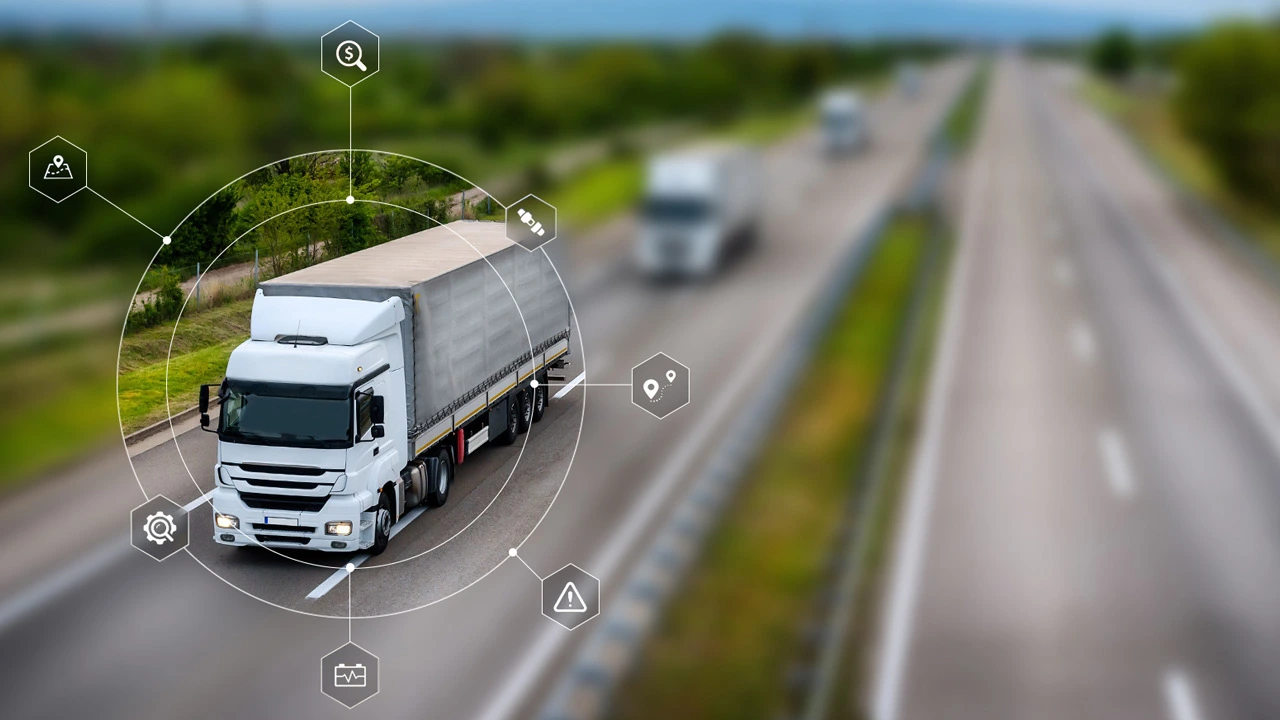
Why You Need More Than GPS Tracker System for Fleet Management
In the modern landscape of logistics and transport, businesses - ranging from local delivery services to international freight operators - are increasingly turning to technology to sharpen their operational edge. At the center of this digital transformation is fleet management, the strategic process of coordinating a company’s vehicles and mobile assets to ensure they run efficiently, safely, and cost-effectively. For many organizations, the entry point into this world is the GPS tracker. At first glance, the real-time visibility and location data provided by GPS seem like the ultimate solution for oversight; however, true fleet management encompasses a much broader scope. Beyond mere tracking, fleet management serves as a sophisticated data hub. It gathers and presents critical information that provides leadership with a transparent perspective of their entire operation. This clarity empowers firms to make smarter, data-driven decisions regarding vehicle dispatch, route planning, and load distribution. Furthermore, it allows for the proactive scheduling of maintenance and the implementation of rigorous protocols to guarantee driver safety.
The versatility of these systems is evident across nearly every sector. It allows construction firms to monitor heavy rigs and cranes, helps taxi services dispatch vehicles with precision, and assists airlines in the complex planning of flights. In the food and beverage industry, it ensures that perishables are moved promptly and safely, while governments and schools rely on it to oversee public transportation and bus routes. By managing, arranging, and coordinating everything from standard cars to freight containers, fleet management transforms raw data into a vital tool for modern infrastructure. A GPS tracker is a device that uses satellite positioning technology to find and send the current geographic location of a vehicle, person, or asset. It mainly serves as a location monitoring tool, not a full operational management system.
What a GPS Tracker actually does:
- Communicates with satellite in the GPS to calculate, Latitude, longitude, speed, direction and movement, time stamp
- Reports vehicle location in real time
- Stores basic movement history
- Enables basic route playback
Limitations of Using GPS-only Approach
- No Operational Context : A GPS tracker shows you where a vehicle is , not what the driver is doing, you can’t tell why the vehicle is idle, also you cannot see if the driver is speeding or driving recklessly or if the scheduled tasks are being completed.
- Lack of Performance Metrics: Can’t measure fuel usage and consumption trends, no assess to engine diagnostics and maintenance needs. Driver behavior, like harsh braking and acceleration, isn’t tracked and also miss out on asset utilization.
- Weak Compliance Support: Modern fleets must follow regulations like; Hours of service (HOS)- Electronic Logging Device (ELD) mandates- Vehicle inspection reporting, Duty status tracking, Basic GPS does not have the tools to automate compliance documentation.
- No Predictive or Prescriptive Insights: Position data alone doesn’t help with predicting maintenance failures, It doesn’t optimize based on traffic or historical patterns. It also falls short in forecasting costs or spotting inefficiencies.
- Minimal Integration: GPS trackers do not connect easily with CRM system, Dispatching and scheduling tools, Accounting and billing, Fuel cards or telematics platforms.
Reasons you need a comprehensive fleet management
GPS only shows location, not driver behavior
Without monitoring, drivers might engage in risky behaviors like speeding leading to accidents, unnecessary idling. Vehicles that sit idle without purpose consume resources like insurance and maintenance costs.
Lack of maintenance alerts leads to downtime
GPS systems don’t track engine health or service schedules, vehicle diagnosis. Without maintenance schedules these breakdowns are often preventable but becomes inevitable. A breakdown the occurs unexpectedly causes disruption.
Enhances customer satisfaction
Timely, accurate and reliable services lead to satisfied customer. By providing transparency and meeting your service promises, fleet management helps build a strong brand reputation and long term customer relationships.
Route optimization
This is one of the most effective ways to improve efficiency and reduce costs. This is done by finding the best routes based on multiple vehicle locations, which reduces travel time, idling, and even overtime.
ELD compliance
Electronic Logging Devices (ELD) compliance is a mandatory regulation that makes it easier to track, manage, and share drivers’ Records of Duty Status (RODS), ultimately creating a safer work environment for drivers.
Goals of Fleet Management
- Control cost
- Improve driver safety and productivity
- Maintain compliance
- Extend vehicle lifespan
- Increase operational visibility
- Enhance customer satisfaction
- Maximize asset utilization
Scenarios Where GPS Alone Falls Short
A driver consistently speeds and brakes aggressively. GPS tracks location, but not
- Driver behavior scoring
- Alerts for risky driving
- Training assignment triggers
- A truck begins consuming more fuel and showing engine error codes
- GPS won’t record
- Engine diagnostics
- Alerts for scheduled service intervals
- Predictive failure warning
The Right Fleet Management Solution
When evaluating system, look beyond tracking.
- Telematics integration
- Driver safety scoring
- Maintenance and diagnostics
- Fuel management and reporting
- Route optimization and dispatch
- Compliance automation
- API connectivity to ERP/CRM
- Mobile application support
Thoughts
Think of it like having a smart traffic controller for your entire fleet. Every journey becomes productive, every asset get used wisely. And your team spends less time fixing problems and more time focusing on growth. A GPS tracker is necessary but not enough for modern fleet operations. It shows where vehicles are but not explain why operations perform as they do or how to improve performance. To control cost, improve safety, boost customer service and maintain regulatory compliance, businesses must invest in complete fleet management.