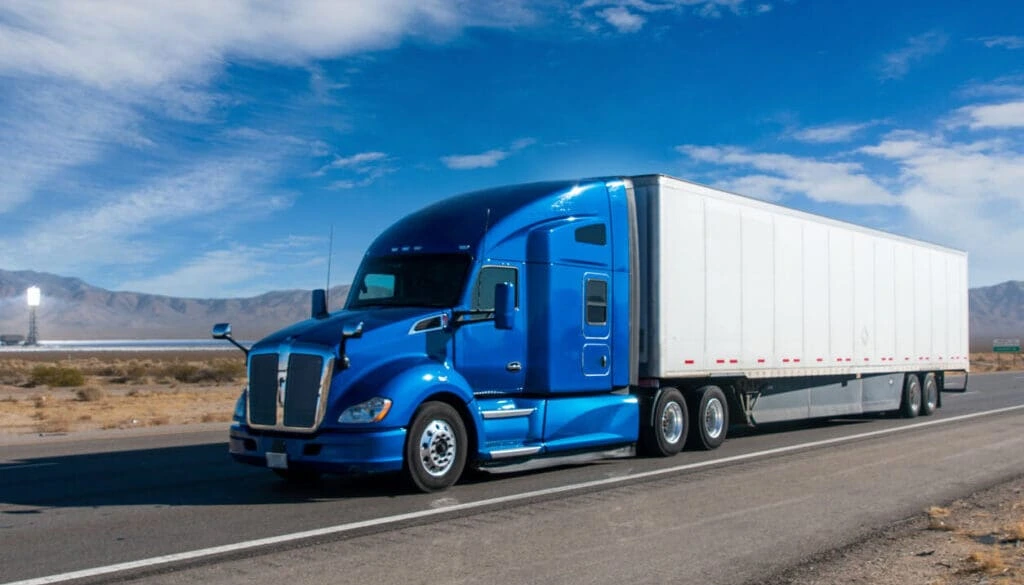
A Comprehensive Guide to Telematics and Fleet Management
Telematics and fleet management is an essential way to improve safety and reliability of transport systems, enables optimizing cargo motion routes and reduces the cost. In today’s data driven transport ecosystem, telematics has become the backbone of modern fleet operation. Organisation now rely on connected system that provide real time visibility, operational intelligence, and performance optimization. In Nigeria, where logistics transportation and distribution are critical to commerce, these offer practical solutions to challenges such as fuel cost, maintenance, safety, and regulatory compliance.
Telematics and why it matters
Telematics is a multidisciplinary technology that combines telecommunications, vehicle diagnostics, GPS tracking, onboard sensors, and cloud computing to monitor and transmit vehicle data remotely. Telematics combines the system of wireless communication, information management, and in vehicle computing to allow car owners to use wireless communication function to exchange and convey information as well as provide drivers and passengers with personalized information service.
A telematics device installed in a vehicle collects data such as:
- Real time location tracking helps with route optimization and theft prevention
- Speed and acceleration patterns
- Engine diagnostics and fault codes enables proactive maintenance, reducing breakdown.
- Idling time
- Harsh braking or cornering events
- Route history
Fleet management
This refers to the administrative and operational processes involved in coordinating and maintaining commercial vehicles. It encompasses vehicle acquisition, maintenance scheduling, fuel management, compliance, safety, and cost control
Features of modern fleet telematics solution
Real time GPS tracking and geo-fencing: know where vehicles are at all times, set virtual boundaries to trigger alerts when a vehicle enters or leaves designated areas. In industries such as logistics, ride hailing and field services, live tracking enhances customer service and operational transparency.
- Vehicle Health Monitoring: Access
OBDII{on board diagnostics} data, battery status, tire pressure and fault codes to schedule maintenance before failures occur. - Driver Behavior & Safety: Monitor harsh braking, rapid acceleration, speeding, and idling to coach drivers and reduce risk. Driver performance directly affects fuel efficiency, vehicle wear and tear and road safety.
- Route Optimization & Dispatch: Dynamic routing based on traffic, weather, and road conditions to shorten travel time and improve on time delivery.
- Fuel Management: Track fuel purchases, consumption patterns, and potential anomalies{e.g., fuel siphoning or engine inefficiencies}. Fuel is one of the highest operating expenses in fleet operations.
- Regulatory Compliance: Generate logs for maintenance record, driver hours, and compliance with local regulations. In regulated markets, fleet operators must comply with transportation safety standards and hours of service regulations.
A comprehensive telematics solution typically includes:
- GPS tracking hardware
- Onboard diagnostics interface
- SIM based fleet management
- Cloud based fleet management software
- Data analytics and reporting dashboards
Advantages of implementing telematics driven fleet management in your organization
Contemporary telematics of transportation is one of the key instruments of the improvement and growth of the effectiveness of transportation system.
- Operational efficiency: Streamlined dispatch, better asset utilization, and fewer idle assets.
- Cost reduction. Lower fuel spend, reduced maintenance cost, and minimized overtime due to improved scheduling.
- Enhanced safety and security: Real time monitoring deters theft and enables rapid incident response.
- Customer service improvements: Accurate delivery windows and proactive communication with clients.
- Data driven decision making: Actionable insights budgeting, fleet renewal planning, and policy development.
Future outlook for telematics and fleet management
- Integrated mobility ecosystems: Telematics will increasingly integrate with fuel management network, payment systems and smart city infrastructure to enable seamless operations.
- AI driven insights: Predictive analytics will forecast demand, maintenance needs, and optimal routing with higher accuracy.
- Sustainability focus: Fleets will optimize for lower emissions and explore electric vehicle adoption where feasible, supported by telematics data
- Local capacity and customization: Solution tailored to Nigerian languages, currencies, and regulatory environments will improve adoption and effectiveness.
Conclusion
Telematics and fleet management are intrinsically connected. While fleet management focuses on overseeing vehicles and drivers, telematics provides the data infrastructure that makes modern fleet optimization possible. Businesses that embrace telematics gain operational visibility, cost control, enhanced safety and strategic agility. In today’s competitive transport environment, telematics is not an optional add on, it is a foundational component of efficient fleet management.